Best Vanilla Cake Ever – Moist, Fluffy Vanilla Cake Recipe

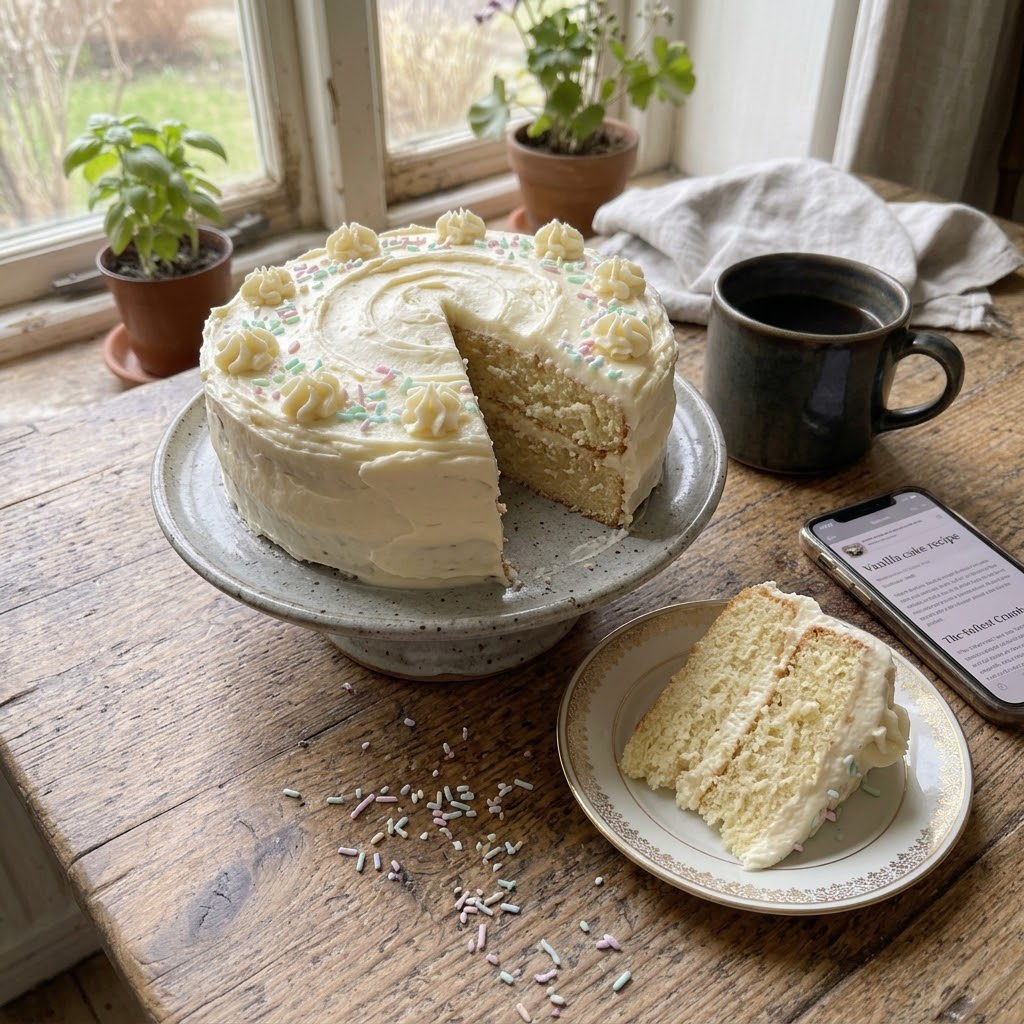
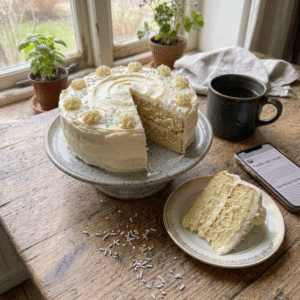
If you are looking for the best vanilla cake ever, this homemade recipe is sure to become a favorite. It features soft, tender cake layers, a delicate vanilla flavor, and rich, creamy vanilla buttercream frosting. Every bite is light, moist, and delicious, making it perfect for birthdays, family celebrations, holidays, or simply satisfying your sweet tooth.
Unlike boxed cake mixes, this classic homemade vanilla cake allows you to control the ingredients and create a fresh, bakery-style dessert right in your own kitchen. The combination of butter, vanilla extract, and carefully measured dry ingredients creates a beautiful cake with a tender crumb and a delicious homemade taste.
Whether you are an experienced baker or trying your first layer cake, this easy vanilla cake recipe provides a wonderful starting point for creating an impressive dessert.
Why You Will Love This Vanilla Cake Recipe
Soft and fluffy texture: The cake has a tender crumb that feels light and delicate with every bite.
Rich vanilla flavor: Pure vanilla extract gives the cake its warm, classic flavor without overpowering the sweetness.
Creamy homemade frosting: Smooth vanilla buttercream adds richness and complements the soft cake layers perfectly.
Perfect for special occasions: This cake is ideal for birthdays, anniversaries, baby showers, holidays, and family gatherings.
Easy ingredients: You can prepare this homemade cake using common baking ingredients available in most kitchens.
Easy to customize: Add fresh berries, chocolate shavings, sprinkles, or your favorite filling to make the cake your own.
Ingredients for the Best Vanilla Cake Ever
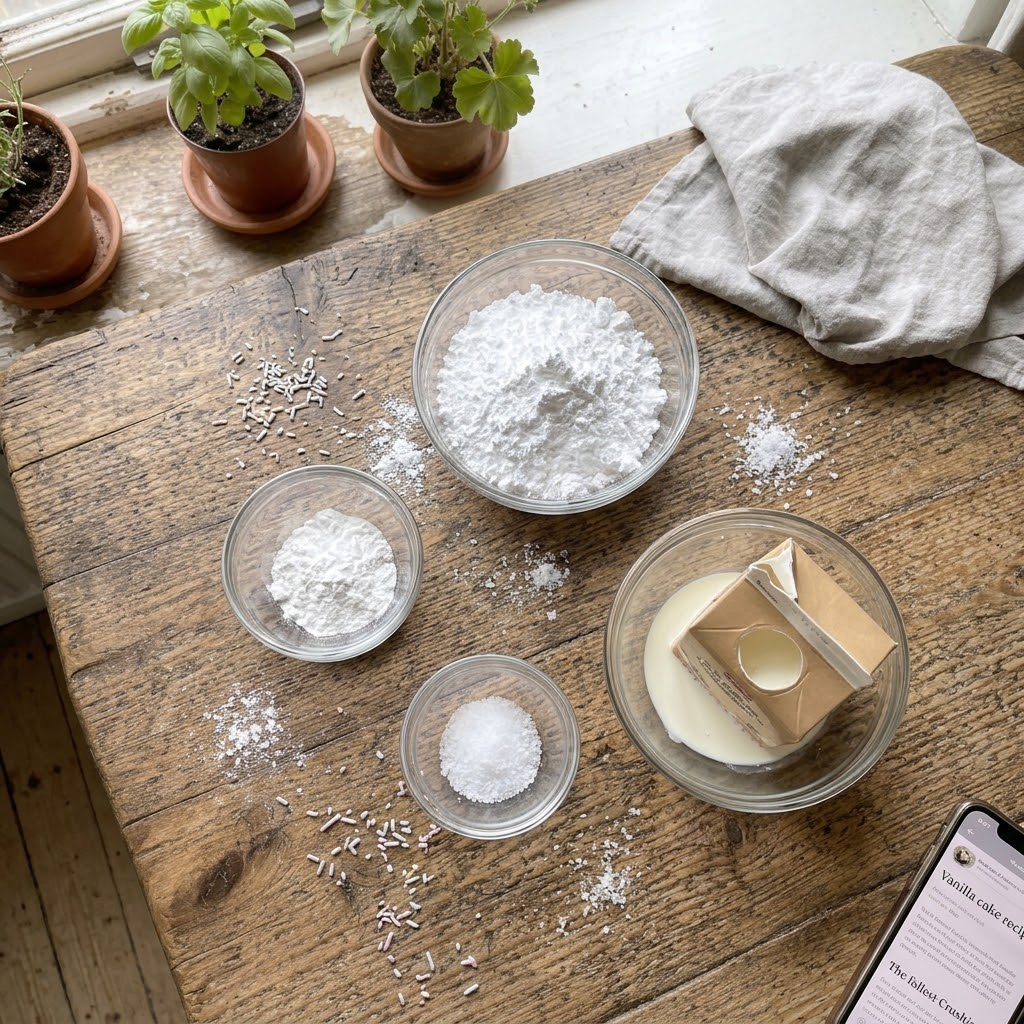
These ingredients make a classic two-layer vanilla cake with buttercream frosting.
For the Vanilla Cake
- 2 ½ cups all-purpose flour, spooned and leveled
- 2 ½ teaspoons baking powder
- ½ teaspoon salt
- ¾ cup unsalted butter, softened
- 1 ¾ cups granulated sugar
- 4 large eggs, at room temperature
- 1 tablespoon pure vanilla extract
- 1 cup whole milk, at room temperature
For the Vanilla Buttercream Frosting
- 1 cup unsalted butter, softened
- 3 ½ to 4 cups powdered sugar, sifted
- 2 teaspoons pure vanilla extract
- 2–4 tablespoons milk or heavy cream
- A small pinch of salt
Optional Decorations
- Vanilla buttercream rosettes
- White or pastel sprinkles
- Fresh berries
- White chocolate shavings
How to Make the Best Vanilla Cake Ever
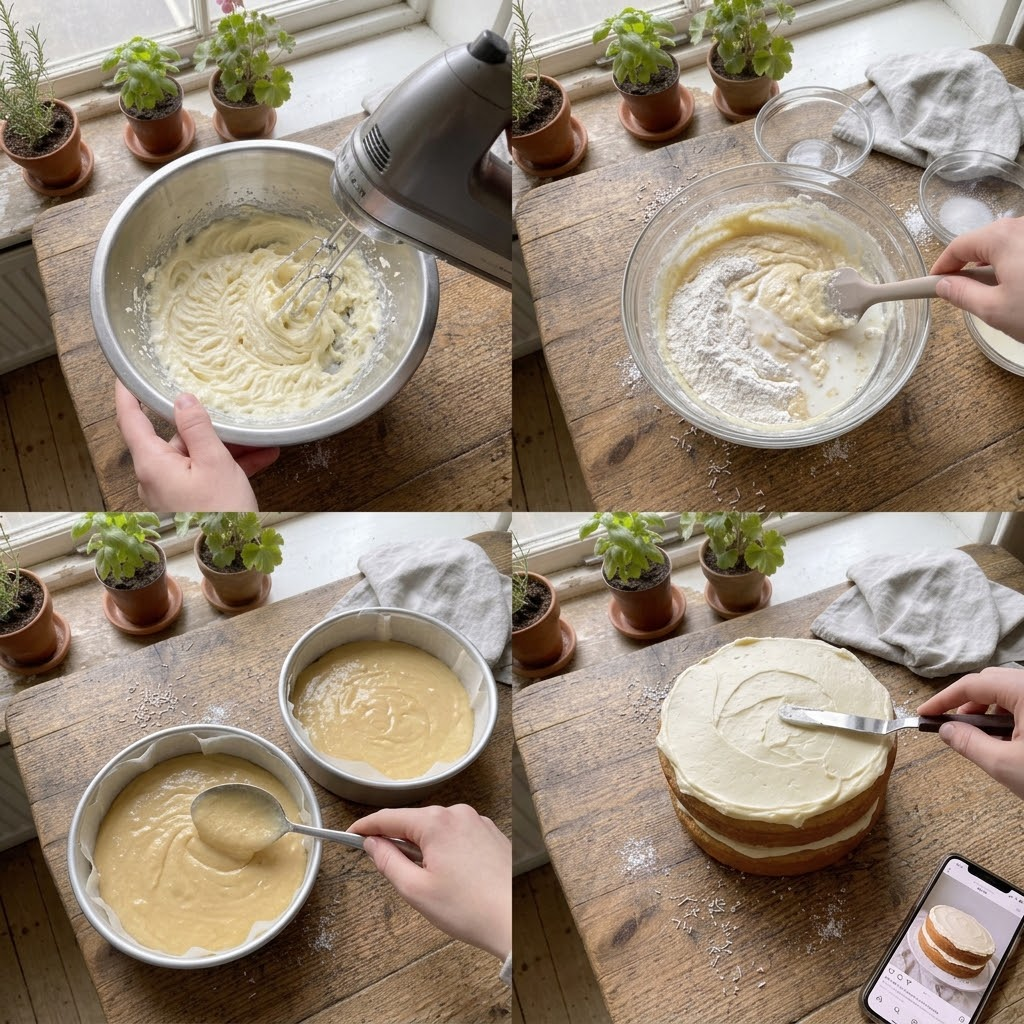
Follow these simple steps to prepare a soft, flavorful vanilla cake with creamy homemade frosting.
Step 1: Prepare the Oven and Cake Pans
Preheat your oven to 350°F (175°C).
Grease two 8-inch round cake pans with butter or nonstick baking spray. Line the bottoms with parchment paper to help prevent the cakes from sticking.
Preparing the pans before mixing the batter makes the baking process easier and helps the cakes release cleanly after cooling.
Step 2: Combine the Dry Ingredients
In a medium bowl, whisk together the all-purpose flour, baking powder, and salt until evenly combined.
Whisking helps distribute the baking powder throughout the flour, allowing the cake to rise more evenly.
Set the bowl aside while you prepare the wet ingredients.
Step 3: Cream the Butter and Sugar
Place the softened butter and granulated sugar in a large mixing bowl.
Using a hand mixer or stand mixer, beat the mixture for approximately 3–5 minutes, until it becomes pale, light, and fluffy.
This step incorporates air into the batter, helping create a softer cake texture.
Scrape down the sides of the bowl as needed so the ingredients mix evenly.
Step 4: Add the Eggs and Vanilla
Add the eggs one at a time, beating well after each addition.
Mix in the vanilla extract until fully incorporated.
If the mixture looks slightly separated, do not worry. Adding the dry ingredients and milk gradually should help bring the batter together.
Room-temperature eggs are especially helpful because they combine more easily with the butter mixture.
Step 5: Alternate the Flour Mixture and Milk
With the mixer on low speed, add approximately one-third of the dry ingredients to the butter mixture.
Pour in half of the milk and mix gently. Add another third of the flour mixture, followed by the remaining milk, and finish with the last portion of the dry ingredients.
Mix only until the batter is smooth and no large streaks of flour remain.
Avoid overmixing, as excessive mixing can develop too much gluten and make the finished cake dense or tough.
Step 6: Divide the Batter Between the Pans
Divide the batter evenly between the prepared cake pans.
Use a spatula to smooth the tops and gently tap each pan on the counter to release any large air pockets.
Place the pans on the center rack of the preheated oven.
Step 7: Bake Until Golden and Tender
Bake for approximately 30–35 minutes, or until the cake layers are lightly golden and a toothpick inserted into the center comes out clean or with a few moist crumbs.
Oven temperatures can vary, so begin checking the cakes around the 28-minute mark.
Avoid opening the oven door too early because sudden temperature changes can affect the cake’s rise.
Once baked, remove the pans from the oven and let the cakes cool for about 10–15 minutes.
Carefully turn the cakes out onto a wire rack and allow them to cool completely before frosting.
Step 8: Make the Vanilla Buttercream
Place the softened butter in a clean mixing bowl.
Beat for approximately 2–3 minutes until creamy and smooth.
Gradually add the powdered sugar, mixing on low speed to prevent it from scattering. Add the vanilla extract and 2 tablespoons of milk or cream.
Increase the mixer speed and beat for another 2–3 minutes until the frosting becomes light and fluffy.
If the buttercream is too thick, add more milk one teaspoon at a time. If it is too thin, add a little more powdered sugar.
Finish with a small pinch of salt to balance the sweetness.
Step 9: Assemble the Cake Layers
Place one completely cooled cake layer on a serving plate or cake stand.
Spread an even layer of vanilla buttercream over the top.
Place the second cake layer on top, aligning the edges carefully.
Spread a thin layer of frosting over the top and sides to create a crumb coat. Refrigerate the cake for approximately 15–20 minutes to help the coating set.
Step 10: Frost and Decorate
Cover the cake with the remaining buttercream, smoothing the sides and top with an offset spatula.
For a bakery-style finish, pipe decorative buttercream rosettes around the top edge.
Add a few sprinkles or another decoration if desired.
For the cleanest slices, chill the assembled cake briefly before serving, then allow it to sit at room temperature for about 20–30 minutes so the frosting softens slightly.
Your homemade vanilla cake is now ready to serve!
Tips for a Perfect Moist Vanilla Cake
Use room-temperature ingredients. Softened butter, room-temperature eggs, and milk help the batter mix more evenly.
Measure flour correctly. Spoon flour into the measuring cup and level it off rather than packing it down. Too much flour can make the cake dry.
Cream the butter and sugar thoroughly. This step helps create a lighter texture.
Avoid overmixing. Once the flour has been added, mix gently and stop as soon as the ingredients are combined.
Check your oven temperature. An oven thermometer can help you avoid overbaking or uneven results.
Cool completely before frosting. Warm cake can melt buttercream and cause the layers to slide.
Use good-quality vanilla extract. Vanilla is the main flavor, so choosing a good extract makes a noticeable difference.
Common Vanilla Cake Mistakes to Avoid
Why Is My Vanilla Cake Dry?
Dry cake can result from too much flour, overbaking, or measuring ingredients inaccurately. Measure carefully and begin checking for doneness before the maximum baking time.
Why Did My Cake Sink in the Middle?
A cake may sink if the oven door is opened too early, the batter is underbaked, or too much leavening agent is used. Make sure your baking powder is fresh and avoid moving the pans unnecessarily while baking.
Why Is My Cake Dense?
Overmixing after adding the flour can make the cake tough. Ingredients that are too cold may also prevent the batter from combining smoothly. Cream the butter and sugar well, use room-temperature ingredients, and mix the batter gently.
Why Is My Buttercream Too Soft?
Buttercream can become too soft if the butter is overly warm or too much liquid is added. Refrigerate it briefly if necessary, or mix in additional powdered sugar until the desired consistency is reached.
Delicious Variations to Try
Vanilla Cake with Fresh Strawberries
Spread a thin layer of strawberry jam between the cake layers and add sliced fresh strawberries for a fruity variation. Keep fresh fruit refrigerated and assemble shortly before serving.
Vanilla Cake with Chocolate Frosting
Replace the vanilla buttercream with chocolate buttercream for a classic chocolate-and-vanilla combination.
Lemon Vanilla Cake
Add a little finely grated lemon zest to the batter for a fresh citrus aroma that complements the vanilla.
Funfetti Vanilla Cake
Fold a small amount of baking sprinkles into the finished batter for a colorful birthday cake. Choose sprinkles designed to hold their color during baking.
Almond Vanilla Cake
Add a small amount of almond extract alongside the vanilla extract for a delicate bakery-style flavor. Almond extract is concentrated, so use it sparingly.
What to Serve with Vanilla Cake
This homemade vanilla cake pairs beautifully with a cup of coffee, tea, or cold milk.
For a more elegant dessert, serve each slice with fresh strawberries, raspberries, or a spoonful of berry sauce.
A scoop of vanilla ice cream also makes a delicious addition, especially when the cake is served at a birthday party or family celebration.
How to Store Homemade Vanilla Cake
At room temperature: Because this cake contains buttercream made with butter and sugar, storage depends on the frosting recipe and room conditions. For the safest and most reliable option, refrigerate the frosted cake in a covered container, especially in warm weather.
In the refrigerator: Store the cake in an airtight cake container for up to 4 days for best quality. Let individual slices sit at room temperature for approximately 20–30 minutes before serving for a softer texture.
In the freezer: Unfrosted cake layers can be wrapped tightly in plastic wrap and placed in a freezer-safe bag or container. Freeze for up to 2–3 months for best quality. Thaw the wrapped layers in the refrigerator before assembling.
Avoid leaving perishable frosting in a warm room for extended periods.
Frequently Asked Questions
Can I Make This Vanilla Cake Ahead of Time?
Yes. Bake the cake layers a day ahead, allow them to cool completely, and wrap them tightly. Store them appropriately until you are ready to frost and assemble the cake.
Can I Use Cake Flour Instead of All-Purpose Flour?
Cake flour can produce a more delicate crumb, but it absorbs liquid differently from all-purpose flour. If substituting, use a tested cake-flour conversion rather than replacing the flour by volume without adjustment.
Can I Make This Recipe in a 9-Inch Pan?
Yes, but the layers will be thinner and may bake more quickly. Begin checking for doneness earlier than the suggested baking time.
Can I Make This Cake Without a Stand Mixer?
Absolutely. A hand mixer works well for creaming the butter and sugar and preparing the frosting. You can also mix by hand, although achieving the same light texture may require more effort.
How Do I Know When the Cake Is Done?
The cake should look lightly golden, and the center should spring back gently when touched. A toothpick inserted into the center should come out clean or with a few moist crumbs.
Can I Use This Recipe for a Birthday Cake?
Yes. The classic vanilla flavor and buttercream frosting make this cake suitable for birthdays, celebrations, and other special occasions. Add colorful sprinkles, piped decorations, or a personalized cake topper.
Final Thoughts
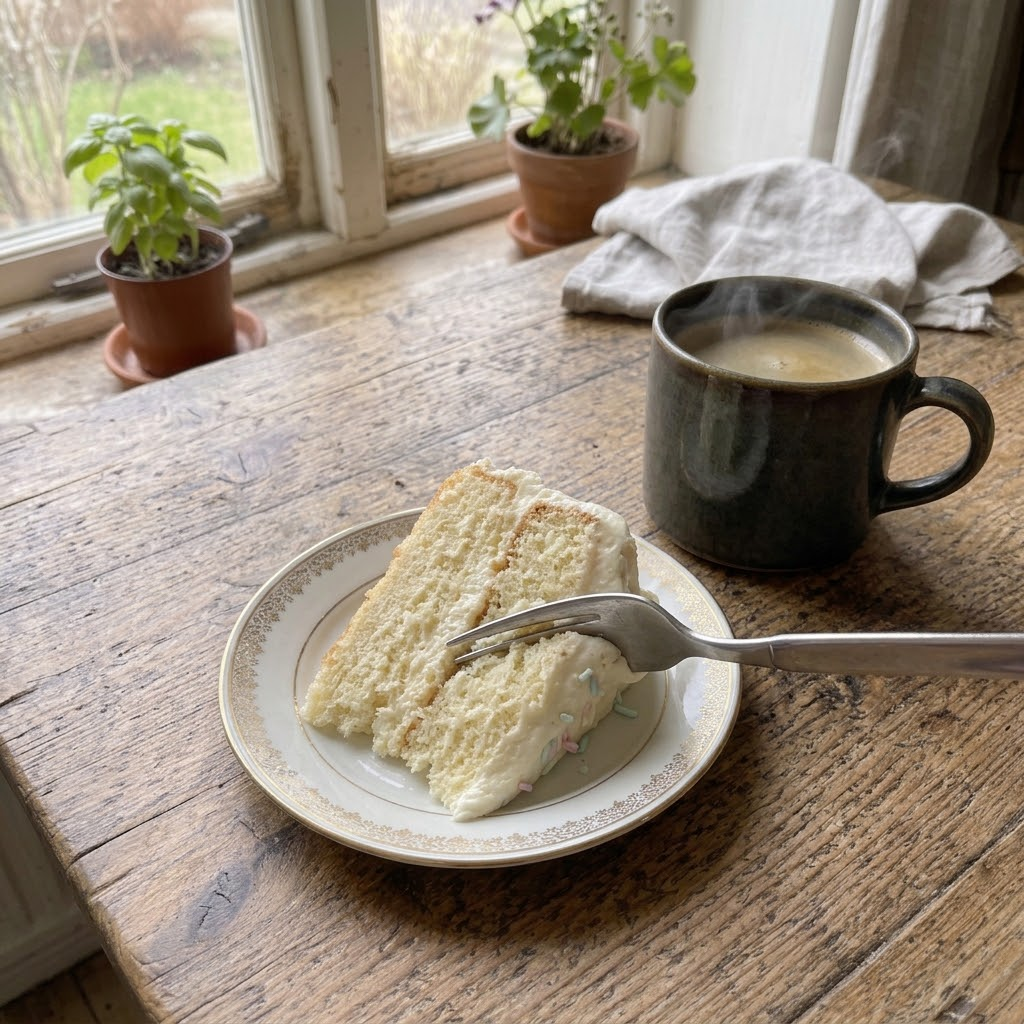
This Best Vanilla Cake Ever recipe is a wonderful choice when you want a homemade dessert with a soft texture, classic vanilla flavor, and creamy buttercream frosting.
With simple ingredients and a few reliable baking techniques, you can create a beautiful layer cake for birthdays, holidays, family gatherings, or everyday celebrations.
Serve it as written or customize it with fresh fruit, chocolate frosting, or colorful sprinkles. Once you master this classic homemade vanilla cake, you will have a versatile dessert recipe to return to whenever you need something sweet and special.
If you try this recipe, share your favorite way to decorate a vanilla cake and save this recipe for your next celebration!